Don't Buy Until You Read This: Sony Fe 50 150Mm F2 Gm vs Fujifilm Instax Mini 41
The world of photography is often characterized by a constant tension between the clinical precision of modern digital imaging and the nostalgic, tactile charm of physical media. For most enthusiasts, these two worlds exist in entirely different spheres of their workflow. However, the market has recently seen a fascinating overlap in consumer interest. On one hand, we have the Sony FE 50-150mm f/2 GM, a lens that represents the absolute pinnacle of optical engineering, designed to squeeze every ounce of performance out of high-resolution sensors. On the other, the Fujifilm Instax Mini 41 offers a stripped-back, purely analog experience where the joy is found in the unpredictability and the immediate physical manifestation of a memory.
Choosing between investing in a high-end telephoto zoom lens and a dedicated instant camera might seem like an apples-to-oranges comparison, but it strikes at the heart of what a photographer values most. Are you chasing the ultimate bokeh, sharpness, and versatility for professional portraits and events? Or are you looking to recapture the spontaneity of a social gathering where the quality of the image is secondary to the quality of the moment? This article dives deep into these two wildly different products to help prospective buyers understand exactly where their money is going and what kind of photographic lifestyle each choice supports.
Pushing the Boundaries: The Sony FE 50-150mm f/2 GM Analysis
The Sony FE 50-150mm f/2 GM is a masterclass in modern lens design. Historically, constant f/2 zoom lenses were considered too heavy, too expensive, or simply impossible to manufacture without significant optical compromises. Sony’s G Master series has consistently defied these expectations, and this particular focal range—spanning standard portraiture to moderate telephoto—is a dream for event photographers, wedding specialists, and high-fashion creators. By offering a constant f/2 aperture throughout the zoom range, Sony is effectively replacing three prime lenses (50mm, 85mm, and 135mm) with a single, high-performance optic.
From a technical perspective, the lens utilizes XA (extreme aspherical) elements to virtually eliminate spherical aberration and "onion ring" bokeh. When shooting at f/2, the depth of field is incredibly thin, allowing for a level of subject isolation that was previously the exclusive domain of heavy, fixed-focal-length primes. The autofocus system is powered by dual XD (extreme dynamic) linear motors, ensuring that despite the large, heavy glass elements moving inside the barrel, the focus is near-silent and instantaneous. This makes it an exceptional tool for videographers who require smooth focus transitions without the noise of a mechanical motor.
In real-world use, the 50-150mm range is incredibly versatile. At the 50mm end, it serves as a fast "nifty fifty" for environmental portraits or street photography. As you zoom toward 100mm and 150mm, the lens transforms into a powerhouse for tight headshots and distant subjects. The f/2 aperture is particularly transformative in low-light environments like dim reception halls or indoor sporting events, where the extra stop of light compared to an f/2.8 zoom allows for lower ISO settings and cleaner images.
The Joy of the Instant: Fujifilm Instax Mini 41 Detailed Review
In stark contrast to the high-tech complexity of the Sony G Master, the Fujifilm Instax Mini 41 is a celebration of simplicity. Fujifilm has dominated the instant film market by focusing on ease of use, and the Mini 41 is the latest refinement of this philosophy. This is not a camera designed for "perfection" in the digital sense. It is a camera designed for the aesthetic of the imperfect—mismatched colors, soft focus, and the characteristic chemical glow of Instax film.
The Instax Mini 41 features an improved exposure system compared to its predecessors. It utilizes a more sophisticated light sensor to better balance the flash output with ambient light. This is a critical upgrade for indoor use, preventing the "white-out" effect where the subject is overexposed against a black background. The fixed 60mm lens offers a perspective roughly equivalent to a 35mm lens on a full-frame camera, which is ideal for selfies, group shots, and casual street scenes. The operating principle is purely "point and shoot," with no manual shutter speed or aperture controls to navigate.
Shop the latest Cameras & Photography picks on Amazon.
Shop Amazon →What buyers care about with the Mini 41 is the "physicality" of the result. In an era where thousands of photos sit forgotten in cloud storage, the act of a photo physically ejecting from the camera and developing in a friend's hand remains magical. The Mini 41 also includes a dedicated selfie mode, activated by simply pulling the front edge of the lens barrel, and a built-in mirror to help with framing. It is the definitive social camera, built to be passed around at parties or used to create tangible keepsakes during travels.
Pros and Cons
Sony FE 50-150mm f/2 GM
- Pro: Exceptionally Fast Aperture. The constant f/2 aperture provides unmatched low-light performance and creamy background blur for a zoom lens.
- Pro: Professional Build Quality. Weather-sealed construction and a robust magnesium alloy barrel ensure it survives the rigors of professional use.
- Pro: Extreme Versatility. Replaces several high-end prime lenses, reducing the need for frequent lens changes during fast-paced events.
- Pro: Incredible Optical Clarity. Sharpness is edge-to-edge even at the widest aperture, with virtually no chromatic aberration.
- Con: Significant Weight and Size. The large glass elements make this a heavy lens that can be fatiguing to carry during an all-day shoot.
- Con: High Price Point. This is a premium investment aimed at professionals and serious hobbyists with a significant budget.
Fujifilm Instax Mini 41
- Pro: Instant Gratification. The ability to produce a physical print in under two minutes is a unique and rewarding experience.
- Pro: Extreme Portability. Light enough to be carried in a small bag or even a jacket pocket, making it the perfect companion for social outings.
- Pro: Simple Operation. Requires zero technical knowledge of photography, making it accessible to children, grandparents, and everyone in between.
- Pro: Charming Aesthetic. Produce images with a unique vintage look that is difficult to replicate authentically with digital filters.
- Con: Ongoing Cost of Film. Every click of the shutter costs money, which can make the camera expensive to use frequently over time.
- Con: Limited Control. No ability to adjust settings means you are at the mercy of the camera's automatic exposure in tricky lighting.
Head-to-Head Comparison
While these products serve different purposes, comparing their core attributes helps clarify the value proposition of each. The following table highlights the radical differences in their technical specifications and intended outcomes.

| Feature | Sony FE 50-150mm f/2 GM | Fujifilm Instax Mini 41 |
|---|---|---|
| Category | Professional Digital Lens | Analog Instant Camera |
| Core Technology | Electronic / Optical (Requires E-mount Body) | Chemical / Analog / Battery Powered |
| Aperture/Lens | Fixed f/2 Zoom (Variable focal length) | Fixed Aperture / Fixed 60mm Prime |
| Image Output | RAW/JPEG Digital Files (Infinite edits) | Single Physical Print (No digital copy) |
| Focusing | Dual XD Linear Motors (Eye Tracking) | Fixed Focus / Manual Selfie Mode |
| Target Audience | Wedding/Portrait/Fashion Professionals | Casual Travelers/Socialites/Gift Buyers |
| Durability | Weather-sealed, Professional Grade | Plastic Construction, Consumer Grade |
Buying Guide: Which One Should You Choose?
Deciding between these two items requires a deep look at your current photographic goals. If you are reading this, you might be an enthusiast standing at a crossroads. One path leads toward "higher quality," and the other leads toward "higher engagement."
When to Buy the Sony FE 50-150mm f/2 GM
You should lean toward the Sony 50-150mm if you are a professional photographer or a dedicated enthusiast who finds themselves limited by their current gear in low light. If you shoot weddings, you know the frustration of switching between an 85mm and a 135mm lens as the ceremony moves from wide shots to tight emotional close-ups. This lens eliminates that friction. It is for the person who wants to deliver images that look like they belong in a high-fashion magazine. If your work involves printing large-scale portraits or selling digital files to clients, the optical perfection of the G Master is non-negotiable. It is a "workhorse" investment—the kind of gear that pays for itself over several years of professional assignments.
When to Buy the Fujifilm Instax Mini 41
The Fujifilm Instax Mini 41 is the right choice if your joy in photography comes from the reaction of others. It is for the traveler who wants to leave a photo with someone they met on the road, or for the host who wants a guestbook filled with physical faces rather than digital tags. If you are feeling "digital fatigue"—the exhaustion that comes from editing hundreds of RAW files on a screen—the Mini 41 is the perfect antidote. It forces you to slow down, compose carefully (because film is expensive), and accept the results as they are. It is also an excellent gift for younger users to introduce them to the tangible side of image-making.
Real-World Use Cases: A Practical Perspective
Consider the environment of a family wedding. A photographer equipped with the Sony lens will be standing back, capturing the tear in the father's eye from twenty feet away. They are focused on the dynamic range of the white dress against the dark suit, the sharpness of the eyelashes, and the creamy blur of the background flowers. The result will be a 60-megapixel file that can be cropped, edited, and turned into a massive canvas print.
Find top-rated Cameras & Photography products at great prices.
View Offers →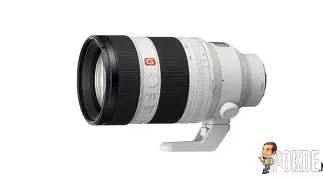
Meanwhile, a guest with the Fujifilm Mini 41 is right in the middle of the dance floor. They snap a shot of the bride and groom laughing, the mini-print pops out, and suddenly there is a huddle of people watching the image slowly appear. That physical photo might end up on a refrigerator or tucked into a wallet, where it will be seen every day. The quality of that photo is technically "poor" compared to the Sony, but its emotional utility in that specific moment is incredibly high.
Another use case is travel photography. Imagine hiking through the mountains of Vietnam. The Sony 50-150mm is a lot of weight to carry, but it allows you to capture stunning, professional-grade landscapes and intimate portraits of local life from a distance. The Fujifilm, however, allows you to take a photo of a local child and hand it to them immediately as a gift. In this scenario, the Sony is for the photographer’s portfolio, while the Fujifilm is for the photographer’s soul and their interaction with the world.
Conclusion
The Sony FE 50-150mm f/2 GM and the Fujifilm Instax Mini 41 represent the two poles of the photographic spectrum. The Sony is a tool of precision, built for those who demand the highest possible image quality and the greatest amount of control. It is an expensive, heavy, and complicated piece of technology that allows for the creation of stunning art. Its value lies in what it can achieve in the hands of a skilled artist who needs to overcome technical challenges like low light and subject distance.
The Fujifilm Instax Mini 41 is a tool of connection. It prioritizes the emotion of the moment over the resolution of the sensor. Its value lies in its simplicity and its ability to turn a digital era back into a physical one. It is affordable, fun, and reminds us that sometimes, a "perfect" photo isn't one that is sharp, but one that you can hold in your hand.
Ultimately, the choice depends on whether you are looking to build a professional career or a collection of physical memories. Many photographers find that the best approach isn't to choose one over the other, but to understand that there is a place for both in a well-rounded kit. However, if you can only make one purchase today, consider whether you want to master the light or simply enjoy it.