Is the Msi Cubi Nuc 1M better than the Samsung Galaxy Chromebook 2 360? We Tested Both
Choosing between a compact mini PC and a convertible Chromebook comes down to what buyers need from a computer: portability, performance, software ecosystem, or value. This article compares the Msi Cubi Nuc 1M and the Samsung Galaxy Chromebook 2 360 based on hands-on testing and real-world use. Rather than focusing on raw numbers, the review looks at how each device performs in everyday scenarios people actually care about: productivity, media consumption, video calls, light content creation, and living-room or desk use. The goal is to clarify which device is the better fit depending on specific needs.
How these devices differ at a glance
On paper, the two products sit in different categories. The Msi Cubi Nuc 1M is a small-form-factor mini PC designed to be a compact desktop replacement, usually paired with a monitor, keyboard, and mouse. The Samsung Galaxy Chromebook 2 360 is a 2-in-1 laptop with a touchscreen, convertible hinge, and ChromeOS — designed for mobility and cloud-first workflows.
Those category differences drive most of the practical trade-offs. The Cubi Nuc is about versatility, ports, and upgradeability in a tiny chassis; the Galaxy Chromebook 2 360 is about portability, integrated display and battery, and a streamlined ChromeOS experience.
What the testing covered
Testing emphasized everyday tasks that reflect common buyer priorities. The team set up both machines in typical configurations and used them across a week for:
- Web browsing with multiple tabs and web apps (email, calendar, collaboration suites)
- Video conferencing with screen sharing and background blur turned on
- Media streaming (Netflix, YouTube) including 4K playback when available
- Light photo editing and document work (Google Workspace, Microsoft Office in browser or web apps)
- File transfers across network shares and external drives
- Comfort checks: keyboard, trackpad/touch, hinge, noise, and thermals during sustained load
Across these scenarios the review focused on responsiveness, thermal behavior, battery usage (for the Chromebook), and how easy each device is to live with day-to-day.
Detailed review: Msi Cubi Nuc 1M
The Msi Cubi Nuc 1M is a compact desktop intended for users who want a small footprint without sacrificing I/O and flexibility. In testing, the Cubi Nuc functioned as a capable home-office mini PC and an efficient media hub.
Performance and daily use: The Cubi handled typical office workloads easily — email, dozens of browser tabs, and video conferencing ran smoothly. Because it’s a mini desktop, it sustains performance longer than many ultra-thin laptops; thermals are managed more like a small tower than a tablet. For light content creation and local development work, the Cubi is a sensible choice when paired with adequate RAM and a fast NVMe drive.
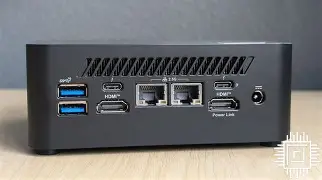
Ports and expansion: One of the Cubi’s strongest advantages is its I/O. It offers multiple USB ports, video outputs for dual-monitor setups, and often an Ethernet port — useful for reliable wired connections in an office. Many cubi-style mini PCs allow aftermarket upgrades to storage and sometimes RAM, making them more future-proof than most sealed laptops.
Form factor and placement: The Cubi’s size delivers flexibility: it can sit on a desk, mount behind a monitor, or be tucked into a media shelf. Because it needs external peripherals and power, it’s not portable in the laptop sense, but it excels where a dedicated desk or living-room PC is desired.
Noise and thermals: Under sustained load the Cubi can become audible depending on the configuration and workload, but fans and case temperatures remained within acceptable levels for a desktop-class device. In a quiet home office the sound is noticeable but not disruptive for most users.
Discover deals on Laptops & Computers — updated daily.
Shop Amazon →Pros
- Ports and connectivity: Multiple USB ports, video outputs, and Ethernet make it versatile for peripherals and multiple monitors.
- Upgradeability: Easier to expand storage and memory than a sealed laptop.
- Sustained performance: Better at holding performance under longer workloads compared with many ultraportable laptops.
- Small footprint: Desktop-level tasks in a compact chassis suitable for tight desks and media centers.
Cons
- Not portable: Requires external monitor, keyboard, mouse, and power — not a travel device.
- No built-in display or battery: Users must provide peripherals and a display.
- Fan noise under load: Audible at higher loads in quiet environments.
Detailed review: Samsung Galaxy Chromebook 2 360
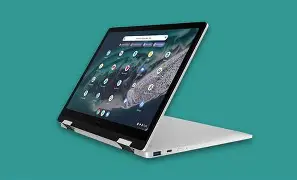
The Samsung Galaxy Chromebook 2 360 is a convertible laptop aimed at students, casual users, and professionals who value portability and a touchscreen experience. Running ChromeOS, the device is optimized for cloud-based apps and web workflows.
Everyday performance and mobility: For web-centric tasks the Galaxy Chromebook 2 360 delivered a nimble, pleasant experience. Web apps, video calls, and streaming ran fluidly. The convertible hinge and touchscreen add useful versatility, particularly for note-taking, presentations, and reading. The keyboard and trackpad were comfortable for longer typing sessions, and the hinge mechanism felt robust enough for everyday use.
Battery and portability: One of the strongest selling points is mobility. The Chromebook includes an internal battery, and in testing it enabled uninterrupted work sessions away from a desk. Battery longevity depends heavily on tasks — light browsing and document editing stretch the battery longest; video conferencing and streaming reduce run time more quickly. The Chromebook’s quick resume and automatic updates make it low-maintenance for users who prefer a set-and-forget laptop.
Software and ecosystem: ChromeOS is streamlined and secure. It’s ideal for users who live in the browser or rely on Android apps. However, those who need native desktop applications — full Windows software or certain professional creative tools — will find limitations. For many buyers, though, the trade-off is acceptable for the simplified management and fast updates.
Display and build: The convertible’s touchscreen is bright and accurate enough for content consumption and casual photo edits. The stylus support (if included or supported by a configuration) helps note-taking and annotation. The device’s chassis is thin and lightweight, emphasizing portability rather than raw power.
Pros
- Portability: Lightweight, convertible design with touchscreen and long battery life for many users.
- ChromeOS simplicity: Fast updates, secure environment, and excellent web app support.
- Comfortable keyboard and hinge: Good for note-taking, presentations, and travel.
- Integrated display and battery: Ready-to-use out of the box without extra peripherals.
Cons
- Software limitations: Not ideal for workflows that require full desktop apps exclusive to Windows or macOS.
- Limited hardware upgrade options: RAM and storage are often non-upgradeable.
- Performance ceiling: Good for web and light creation, but less suitable for sustained heavy compute workloads.
Side-by-side comparison
| Category | Msi Cubi Nuc 1M | Samsung Galaxy Chromebook 2 360 |
|---|---|---|
| Device type | Mini desktop / small form factor PC | Convertible laptop (2-in-1) with touchscreen |
| Target user | Home office, media center, users needing ports and upgradeability | Students, travelers, cloud-first users, presentations and note-taking |
| Operating system | Windows or Linux (user choice) | ChromeOS (cloud-focused) |
| Portability | Low — requires external peripherals | High — integrated display and battery |
| Upgradeability | Typically better (storage and sometimes RAM) | Limited or none |
| Battery | None (requires external power) | Built-in battery for hours of mobile use |
| Ports | More and varied (USB, Ethernet, multiple video outputs) | Fewer — enough for mobile use (USB-C, audio jack, limited USB-A) |
| Best for | Reliable, upgradeable desk or media PC with multiple displays | On-the-go productivity, media, and education with simple device management |
Real-world use cases and recommendations
To translate these findings into practical advice, consider several typical buyer profiles:
- Home office worker with a dedicated desk: The Msi Cubi Nuc 1M is the stronger choice if the priority is multiple monitors, wired networking, and the option to upgrade storage and memory over time. It fits well into a home studio or workspace where the user prefers a desktop-class experience in a small footprint.
- Student or commuter: The Samsung Galaxy Chromebook 2 360 suits people who move between classes, coffee shops, and dorm rooms. It’s ready to go right away, has a long battery life in light use, and the convertible form is useful for reading and presentation modes.
- Family media center or living-room PC: The Cubi Nuc makes a solid media hub thanks to stable wired networking and the ability to attach to a TV or AV system. It’s quieter and more flexible for running a local Plex server, streaming, or light gaming when paired with suitable hardware.
- Cloud-first professional: If the work centers on web apps and collaboration tools, the Galaxy Chromebook 2 360 offers simplicity, automatic updates, and minimal maintenance. It’s also convenient for remote meetings and shared work environments.
- Developer or power user: For those who need local development environments, virtualization, or native Windows applications, the Cubi Nuc holds an advantage because it can run full desktop OSes and usually allows more memory and storage capacity.
Buying guide: What to prioritize
When deciding between these two types of devices, buyers should weigh the following factors in light of their primary use case:
1. Primary workflow and software needs
If the necessary tools run in a browser or have web equivalents, a Chromebook is often sufficient and simpler. If there are Windows-only applications, legacy software, or heavier local compute needs, the mini PC is better.
2. Portability vs. permanence
Decide whether the device needs to travel. If mobility is essential, choose the Galaxy Chromebook 2 360. If the device will stay at a desk or be mounted behind a monitor, the Cubi Nuc’s smaller desktop footprint is preferable.
Find top-rated Laptops & Computers products at great prices.
Shop Amazon →3. Peripherals and displays
Buy the Cubi Nuc if the plan includes multiple monitors, wired networking, or many USB devices. The Chromebook is fine for single-screen setups and wireless accessories.
4. Upgradeability and longevity
Consider future needs. Mini PCs often allow swapping drives and adding RAM, which can extend usable life. Chromebooks tend to be sealed and rely on cloud services, so hardware upgrades are usually limited.
5. Battery and power considerations
If uninterrupted power-free use matters (for travel, meetings, or classes), the integrated battery in the Chromebook is decisive. If continuous wall power and stable performance are acceptable, a mini PC is fine.
6. Budget and total cost of ownership
Factor in the cost of peripherals. A Cubi Nuc will require separate purchase of a monitor, keyboard, mouse, and possibly speakers. The Chromebook has everything built in, so initial outlay includes just the laptop itself. Consider warranties and local support as part of long-term costs.
7. Privacy, updates, and security
ChromeOS provides a managed and sandboxed environment with automatic updates that reduce maintenance. Desktop OSes on the Cubi require more hands-on patching and security management, which might be a factor for buyers who prefer low maintenance.
Final verdict
There is no single winner for everyone — the better device depends on the buyer’s priorities. For a stationary workstation, home-office setup, or media center where ports, upgradeability, and sustained local performance matter, the Msi Cubi Nuc 1M is the more capable and flexible choice. It gives a small-business or power-user style experience in a compact package.
Conversely, for students, frequent travelers, and users whose daily work lives almost entirely in web apps, the Samsung Galaxy Chromebook 2 360 delivers a polished, convenient, and mobile experience. Its convertible design, touchscreen, and battery make it a self-contained device ready for classrooms, cafes, and meetings.
Ultimately, buyers should match the device to the job: choose the Cubi Nuc for a compact, dependable desktop that can grow over time; choose the Galaxy Chromebook 2 360 for a lightweight, low-maintenance laptop that excels when mobility and simplicity matter most.