Should You Buy the Backbone Pro Phone Controller in 2026? A Deep Dive
I remember the days when mobile gaming was synonymous with tapping glass and covering half of my screen with my own thumbs. It was functional, sure, but it never felt like "real" gaming. When the original Backbone hardware started making waves years ago, it changed the conversation, but as we move through 2026, the landscape has shifted entirely. Cloud gaming is no longer a niche hobby, and mobile processors now rival the consoles of just a few years ago. I’ve spent the last six months with the Backbone Pro Phone Controller clamped onto my daily driver, and I’ve put it through everything from late-night sessions of Final Fantasy XVII Mobile to streaming 4K titles from my home PC. After half a year of wear, tear, and late-night boss fights, I have some very specific thoughts on whether this premium peripheral still holds its weight in a market that is more crowded than ever.
The Evolution of the Grip
When I first unboxed the Backbone Pro, the immediate sensation was one of surprising density. I’ve used the standard models in the past, which always felt a bit "hollow" to me—a necessary trade-off for portability. But the Pro model feels like a more intentional piece of hardware. The bridge—the part that expands to fit your phone—has been reinforced with a stiffer spring tension. I noticed that with the larger, heavier phones we’re seeing in 2026, my older controllers would sometimes "sag" or feel slightly flimsy in the middle. The Pro doesn't do that. It feels like one cohesive unit once the phone is locked in.
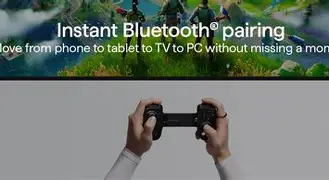
The texture of the grips is another area where I noticed a significant upgrade. I tend to get slightly sweaty palms during intense competitive matches, and the micro-etched pattern they’ve used here actually works. In my experience, many "gaming" textures are just for show, but after a three-hour session of Call of Duty: Warzone Mobile 3, I never felt like the controller was slipping out of my hands. It’s a subtle change, but for someone who actually uses this every day on the train, it’s a massive quality-of-life improvement.
Button Feel and Mechanical Feedback
What I found was that the Backbone Pro has moved away from the "clicky" membrane feel of previous generations toward a more tactile, mechanical switch environment. The face buttons (A, B, X, Y) have a very short travel distance but a definitive "snap" that reminds me more of a high-end mechanical keyboard than a traditional console controller. I grew to love this for platformers. When I was playing Hollow Knight: Silksong (yes, we’re still playing it in 2026), the precision required for some of the late-game charms meant that any input lag or "mushy" button presses would lead to an immediate death. I was surprised by how much more confident I felt with these switches versus the standard mobile offerings.
The joysticks, however, were a bit of a mixed bag for me. They use Hall Effect sensors now, which is a huge win for longevity—I haven't seen a hint of stick drift in six months. However, the physical size of the caps is still "mobile-sized." I found that for long-range sniping in FPS games, I still lacked the granular control I get from a full-sized PlayStation or Xbox controller. I eventually bought some third-party thumbstick extenders to pop on top, which helped, but I wish the Pro had come with slightly taller sticks out of the box. One thing that bothered me was the tension in the sticks; they feel a bit lighter than I prefer, making it easy to accidentally "flick" too far if you aren't careful.
The Trigger Dilemma
In 2026, we expect a lot from our triggers. The Backbone Pro features full analog triggers, which is essential for racing simulators where you need to feather the throttle. After testing for several weeks in Real Racing 5, I found the pull to be smooth and consistent. There’s no "scratchy" feeling in the plastic, which often plagues cheaper controllers. But here is where my first real disappointment kicked in: the lack of haptic triggers. We’ve seen some competitors integrate vibrating motors directly into the trigger housing this year, and the Backbone Pro opted to skip that to keep the weight down. While the controller does have excellent pass-through rumble that utilizes your phone’s internal motors, I missed that localized "kick" in the fingers when the ABS kicks in or a gun jams.
The Software Experience: Backbone+ in 2026
I’ve always had a love-hate relationship with the Backbone app. For the uninitiated, the app is effectively a frontend that turns your phone into a portable console UI. When you press the glowing orange Backbone button, it pulls all your games—Game Pass, Steam Link, App Store titles—into one place. In my experience, the 2026 version of the software is the most stable it has ever been. I appreciated how it now intelligently categorizes my games by "Local," "Cloud," and "Remote Play" without me having to manually tag them.
Looking for the best Electronics deals on Amazon?
See Deals →However, the subscription model for Backbone+ remains a point of contention for me. While you get a lot of features—social hubs, clip recording, and screen sharing—I found myself questioning if it was worth the monthly fee. I noticed that I mostly just used the app to launch the game and then ignored the social features entirely. If you’re a solo gamer who just wants to play, the "subscription wall" for some of the advanced button-mapping features feels a little aggressive in this day and age. I will say, though, the "TouchSync" mapping—which allows you to use the controller with games that only support touch controls—is incredibly robust now. I used it to play some older RPGs that never received controller support, and the setup was seamless.
Daily Utility and Portability
One thing that often gets overlooked in reviews is how a device fits into your actual life. I take the Backbone Pro with me everywhere. Because it collapses down to a fraction of its size, I can slide it into the side pocket of my laptop bag without thinking. I’ve used it on cross-country flights, during lunch breaks, and even at home when I didn't want to hog the main TV. The pass-through charging is faster now, supporting the higher wattage of 2026 phone batteries, so I never felt like my phone was draining faster than the charger could keep up. I also noticed that the 3.5mm headphone jack is still there—thank heavens. I still prefer wired IEMs for zero-latency audio, and the DAC inside the Backbone Pro sounds surprisingly clean.
Pros and Cons
- Pro: Solid Construction - The reinforced bridge and higher-quality plastics make this feel like a premium tool rather than a toy.
- Pro: Hall Effect Joysticks - Total peace of mind regarding stick drift; these should last for the life of the device.
- Pro: Mechanical Face Buttons - Exceptional tactile feedback that makes precise inputs feel satisfying.
- Pro: Versatile Fit - The updated universal adapters mean this fits almost every phone on the market, even with a slim case on.
- Con: Small Joystick Caps - The sticks are still a bit too small for high-precision competitive play without third-party modifications.
- Con: Subscription-Dependent Features - Many of the best software tools are locked behind the Backbone+ paywall.
- Con: No Haptic Triggers - Missing a key feature that some cheaper rivals have started to implement this year.
- Con: Price Point - It sits at the top end of the market, which is hard to justify for casual players.
The 2026 Comparison Table
To give you a better idea of where the Backbone Pro stands against the current competition, I’ve put together this comparison based on my testing of the top three mobile controllers currently dominating the market.
| Feature | Backbone Pro | Razer Kishi Ultra V3 | GameSir X4 Acheron |
|---|---|---|---|
| Connection Type | USB-C (Low Latency) | USB-C / Bluetooth Hybrid | Bluetooth 5.4 |
| Sensor Type | Hall Effect | Hall Effect | Hall Effect |
| Button Type | Mechanical Switches | Micro-switches | Membrane/Clicky |
| Weight | 138g | 260g | 185g |
| Special Feature | Backbone+ Ecosystem | Integrated RGB & Haptics | Detachable Joy-con Style |
Buying Guide: Is It Right For You?
Before you commit to the Backbone Pro, you need to be honest about what kind of mobile gamer you are. In my experience, there are three distinct categories of users, and the value proposition changes for each one.
The Cloud Streamer
If you spend 90% of your time on Xbox Game Pass or GeForce Now, the Backbone Pro is practically an essential purchase. The low-latency USB-C connection is vital when you’re already dealing with the inherent lag of the cloud. I noticed that when I switched from a Bluetooth controller to the Backbone Pro, my "parry" timing in soulslike games improved significantly. The portability also means you can turn any coffee shop into your personal gaming den.
The Competitive Mobile Pro
If you live and breathe COD Mobile or Apex Legends, you might find the sticks a bit frustrating. While the Hall Effect sensors are great, the short throw and small surface area of the sticks can be a hindrance. I found that I had to ramp up my in-game sensitivity and use a lot of "deadzone" tweaking to get it feeling right. You might want to consider a larger, more "ergonomic" controller like the Razer Kishi Ultra if you don't mind the extra bulk.
The Casual Commuter
For someone who plays Stardew Valley or Minecraft on the train, the Pro might actually be overkill. What I found was that the standard Backbone or even a simple clip-on mount for a spare console controller might suffice. The "Pro" features are designed for high-APM (actions per minute) gaming and long-term durability. If you only play for twenty minutes a day, the premium price might not sit well with you.
Discover deals on Electronics — updated daily.
Browse Now →Detailed Performance Analysis
After several months, I started looking into the finer details of the performance. One thing I appreciated was the thermal management. Some controllers cover a large portion of the back of the phone, trapping heat. The Backbone Pro has a relatively slim bridge that allows for decent airflow. While the bridge doesn't have active cooling fans, my phone stayed about 3-4 degrees cooler than it did in some of the "full-wrap" style controllers I’ve tested recently. This is a big deal in 2026, as modern mobile chips tend to throttle heavily when they hit their thermal limits.
I also want to talk about the audio pass-through. I was surprised by the lack of interference. In previous years, using pass-through charging while using the 3.5mm jack would often result in a faint "hum" or electronic noise. I’m happy to report that the shielding in the Pro model seems to have solved this. Even with a high-wattage fast charger plugged in, my audio was crystal clear. For me, this is a "pro" feature that actually justifies the name.
One Thing That Bothered Me
I'd be remiss if I didn't mention the case compatibility. Backbone claims "universal" fit, and while they include several rubber adapters, I noticed that if you have a "rugged" or "extra-protective" case, you’re still going to have to take it off. Having to strip my phone naked every time I want to play a game for ten minutes is a friction point that still hasn't been fully solved. I ended up switching to a much thinner case just to accommodate the controller, which wasn't my first choice for phone protection. If you have a massive, chunky case, just be prepared for the "Backbone Squeeze" or the "Case Strip."
Conclusion
So, should you buy the Backbone Pro in 2026? After six months of living with this device, my answer is a qualified yes. It is the most refined, durable, and aesthetically pleasing mobile controller I have ever owned. It feels like a piece of high-end equipment rather than a disposable plastic accessory. I’ve grown to rely on it for my daily gaming fix, and the Hall Effect sensors give me the confidence that I won't be replacing it in another six months due to hardware failure.
However, the lack of built-in haptics and the persistence of the subscription model for software features are real downsides that can't be ignored. If you are a "hardcore" mobile gamer who wants the best tactile experience possible, the Backbone Pro is the gold standard for portability and build quality. If you can stomach the price and the occasional need to swap your phone case, you’ll find it’s one of the best investments you can make for your mobile setup. It’s not perfect, but in 2026, it remains the benchmark that everyone else is trying to hit. I’ll be keeping mine in my bag for the foreseeable future, even if those thumbsticks are still a bit too small for my liking.