Which is Better Value? Sony Xperia 1 Vii vs Motorola Edge 70 Compared
Introduction
When it comes to premium smartphones, buyers are now faced with an abundance of choices beyond the familiar Apple and Samsung duopoly. Two compelling contenders in 2026 are the Sony Xperia 1 Vii and Motorola Edge 70. Each brings its brand’s unique flavor to the Android flagship space, targeting users who demand exceptional display quality, versatile cameras, robust performance, and a refined software experience. But with both devices claiming excellence, which offers the better value for smart buyers?
This article provides a meticulous head-to-head comparison of these two top-tier phones, focusing on real-world usability, specs that matter, and what typical owners actually care about in daily life. By the end, buyers will have clarity on which device best suits their priorities—whether advanced photography, balanced all-round performance, battery endurance, or price-to-feature value matters most.
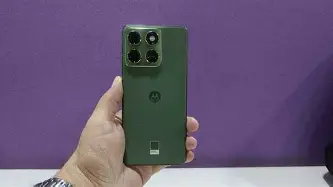
Sony Xperia 1 Vii: Premium Innovation for the Discerning User
Sony’s Xperia line has always marched to the beat of its own drum, and the 1 Vii continues this tradition with a focus on pro-level media features, an ultra-high-end display, and a design that appeals primarily to enthusiasts. But it also smooths some rough edges of past generations, polishing the user experience for a wider audience. Here's a closer look at what defines the Xperia 1 Vii:
Display and Design
Sony doubles down on its cinematic DNA with the Xperia 1 Vii’s stunning 6.5-inch 4K OLED display. With a native 120Hz refresh rate, true 10-bit color, and full BT.2020 support, this panel is perhaps the best on the market for mobile cinephiles and creatives, reproducing content exactly as the director intended. The tall, slender 21:9 aspect ratio remains, making it ideal for split-screen multitasking or watching movies without black bars.
Physically, the Xperia continues to impress: Gorilla Glass Victus 3 covers both the front and back, set in a minimalist, lightly textured aluminum frame available in discreet colors. It’s IP68 certified for dust and water resistance, and the dedicated shutter button remains—a nod to serious mobile photography and video.
Performance and Software
Powered by Qualcomm’s latest Snapdragon 8 Gen 4 platform and backed by 12GB or 16GB of RAM, the Xperia 1 Vii handles everything from 4K video editing to AAA mobile gaming with ease. The nearly stock Android 14 experience is bloat-free, with Sony’s thoughtful customizations focused mainly around its media and camera suites.
Camera System
Sony's partnership with its Alpha camera division is evident in the Xperia 1 Vii’s triple-lens setup. The main 48MP sensor and advanced computational photography yield exceptional dynamic range and natural color—the result of years refining in-camera color science. The true innovation, though, is the variable zoom periscope lens: unlike most digital-only zooms, this optical system delivers sharp 5.2x to 7.8x telephoto without loss of fidelity.
Looking for the best Mobile Phones deals on Amazon?
Browse Now →Video lovers appreciate pro-grade manual controls, up to 4K 120fps video capture, and advanced autofocus tracking—even for animals. Audio recording is also pro-level, with manual level adjustment and wind filter settings.
Battery Life and Charging
The Xperia 1 Vii features a 5,000mAh battery, optimized for longevity with Sony’s proprietary battery health features that slow long-term cell degradation. Real-world use—streaming video, gaming, mixed productivity—typically lasts a solid day. USB-C Power Delivery topping out at 45W, plus wireless and reverse charging, means you’re seldom left waiting for a recharge.
Pros & Cons: Sony Xperia 1 Vii
- Pros:
- Unmatched 4K OLED display (cinema-accurate colors, superb HDR)
- Professional-level camera hardware and software
- Stock Android with minimal bloatware
- Sophisticated design, IP68 rating
- Shutter button and audio jack (rare in 2026 flagships)
- Cons:
- Premium price tag, little room for price drops
- 21:9 aspect ratio not for everyone (especially gaming)
- Camera UI can be intimidating for casual users
- Not as widely stocked/carrier supported as rivals
Motorola Edge 70: Value and Performance for Everyday Excellence
Motorola’s Edge 70 aims to deliver high-end essentials with an emphasis on user-friendliness, affordability, and a well-rounded experience. It doesn’t try to out-spec top-tier flagships, but instead returns outstanding value by nailing the basics, making logical cost-saving decisions where most users won’t notice. Here’s where it shines:
Display and Design
The Edge 70 showcases a 6.7-inch 1.5K pOLED display with a 144Hz refresh rate. While not quite as pixel-dense or color accurate as Sony’s offering, it’s still a vibrant, smooth, and impressively bright panel—excellent for gaming, social media, and binge-watching in bright outdoor conditions. The curved edge design creates a modern, immersive look, and the device is thin and light without sacrificing build quality.
It also boasts Gorilla Glass protection and IP68 water resistance, while Motorola’s distinct "Velvet Touch" backing adds subtle grip and style. It’s less “pro” but more approachable for the average buyer—and easier to hold one-handed.
Performance and Software
Packing the efficient Snapdragon 7 Gen 4 chip and paired with 8GB or 12GB of RAM, the Edge 70 can handle most tasks with aplomb. While not a chart-topper for raw benchmarks, the chip is highly efficient for real-world workloads: app juggling, content consumption, casual gaming, and photography. Motorola’s MyUX interface overlays Android 14 with sensible, light customizations—like gesture shortcuts and always-on display enhancements—without intrusive bloat.
Find top-rated Mobile Phones products at great prices.
View Offers →
Camera System
On the imaging front, the Edge 70 espouses a practical philosophy. Its main 50MP sensor delivers crisp, well-exposed shots in nearly all environments, with fast focus and reliable low-light performance. Ultrawide and macro cameras add creative options, though they’re not quite on the same professional level as the Xperia’s. Video capture maxes out at 4K 60fps, with decent stabilization for social-sharing and documentation, but lacks in-depth manual controls.
Battery Life and Charging
A notable winning point is stamina: a 5,100mAh battery and a more frugal chipset mean the Edge 70 often beats premium flagships in real-world endurance. Two full days of moderate use is not uncommon—a big plus for travelers, students, or business users. The 68W TurboPower wired charging takes the phone from near empty to 80% in just over 30 minutes, and wireless charging is well supported.
Pros & Cons: Motorola Edge 70
- Pros:
- Outstanding battery life and fast charging
- Sleek, ergonomic build that's lightweight
- Excellent value for the price
- Clean, feature-rich Android skin
- Reliable performance for daily tasks
- Cons:
- Display, while good, falls short of Sony’s pixel density and cinematic quality
- Main camera is solid but lacks the depth and flexibility of Xperia’s system
- No dedicated camera shutter button or pro controls
- No microSD expansion (storage is fixed)
- Plastic frame and back (less “premium” than glass/metal rivals)
Side-by-Side Comparison: Xperia 1 Vii vs Edge 70
| Feature | Sony Xperia 1 Vii | Motorola Edge 70 |
|---|---|---|
| Display | 6.5" 4K OLED, 120Hz, 21:9 | 6.7" 1.5K pOLED, 144Hz, curved |
| Processor | Snapdragon 8 Gen 4 | Snapdragon 7 Gen 4 |
| RAM | 12GB/16GB | 8GB/12GB |
| Storage | 256GB/512GB, microSD slot | 128GB/256GB, no microSD |
| Main Camera | Triple: 48MP wide, 12MP ultrawide, variable Periscope (5.2–7.8x) | Triple: 50MP wide, 13MP ultrawide, macro |
| Video Recording | 4K up to 120fps, full manual controls | 4K up to 60fps, basic controls |
| Battery | 5,000mAh, 45W wired, wireless, reverse wireless | 5,100mAh, 68W TurboPower wired, wireless |
| Extras | 3.5mm jack, dedicated shutter button, IP68 | IP68, always-on display features |
| OS | Android 14 (Clean, with Sony’s camera/media suite) | Android 14 (MyUX, minimal bloat, gesture features) |
| Build | Glass front/back, aluminum frame | Gorilla Glass front, plastic back/frame |
| Price (approx.) | Flagship (High) | Upper-midrange (Lower) |
Buying Guide: Choosing the Best Value for Your Needs
Selecting the right flagship isn’t a matter of specs alone; it’s about how the device will fit your daily routines and priorities. Here’s what to focus on:
For the Creative Professional or Enthusiast
- The Xperia 1 Vii stands out for content creators, mobile photographers/videographers, and power users who exploit every manual control or crave cinema-level video on the go. The 4K OLED screen, variable periscope lens, and dedicated camera hardware/software make it uniquely appealing—if you will truly use them.
- Also ideal for those who want microSD expansion, a 3.5mm audio jack, and a design with true luxury-class materials.
For the Balanced User or Value Seeker
- The Motorola Edge 70 excels for users who want a slick, powerful experience without the flagship price. Two-day battery life, speedy charging, and a high-refresh display cover most needs, whether you’re a social media addict, mobile gamer, or practical professional. Its straightforward, light Android interface appeals to those who want things to just work—no configuration required.
- Great for those who value thin-and-light comfort, want to maximize price-to-feature ratio, or prioritize battery and regular software updates over bleeding-edge specs.
What Most Buyers Care About
- Display Quality: Both are excellent, but Sony leads for fidelity; Motorola wins for smoothness and comfort.
- Camera Capability: Sony is for the pros and enthusiasts; Motorola covers all casual/social needs well.
- Battery Life: Motorola has a real-world edge, lasting longer per charge and recharging faster.
- Software Experience: Both are clean, but Motorola’s is simpler out of the box, while Sony’s adds complexity for advanced users.
- Build Quality: Sony uses premium materials, but Motorola is lighter and easier for single-handed use.
- Futureproofing: Sony’s chipset, microSD support, and camera system may last longer, but Motorola’s updates and affordable price keep it highly competitive.
Conclusion
Both the Sony Xperia 1 Vii and the Motorola Edge 70 are compelling in 2026, but they serve different buyers. The Xperia 1 Vii is an all-out flagship for those who demand the best tools for creativity and uncompromising display and build quality, accepting a higher cost and steeper learning curve. The Motorola Edge 70, by contrast, is an excellent all-rounder—covering almost everything the average user needs, with standout battery life and a price that’s easier to justify for most budgets.
Ultimately, the “better value” comes down to what the buyer values most. If you live and breathe mobile photography or want the ultimate display, the Sony Xperia 1 Vii is worth the premium. If you want a dependable, elegant daily driver that doesn’t sacrifice where it counts, the Motorola Edge 70 is tough to beat—and might be the year’s true value champion.